

Gut health has become one of the most rapidly evolving areas of medical research over the past decade. What was once a niche topic discussed primarily among gastroenterologists and nutritionists has moved firmly into the mainstream, and for good reason. The gut microbiome, the vast community of trillions of bacteria, fungi, viruses, and other microorganisms that inhabit your digestive system, has been linked to everything from immunity and metabolism to mental health, inflammation, and even cardiovascular risk.
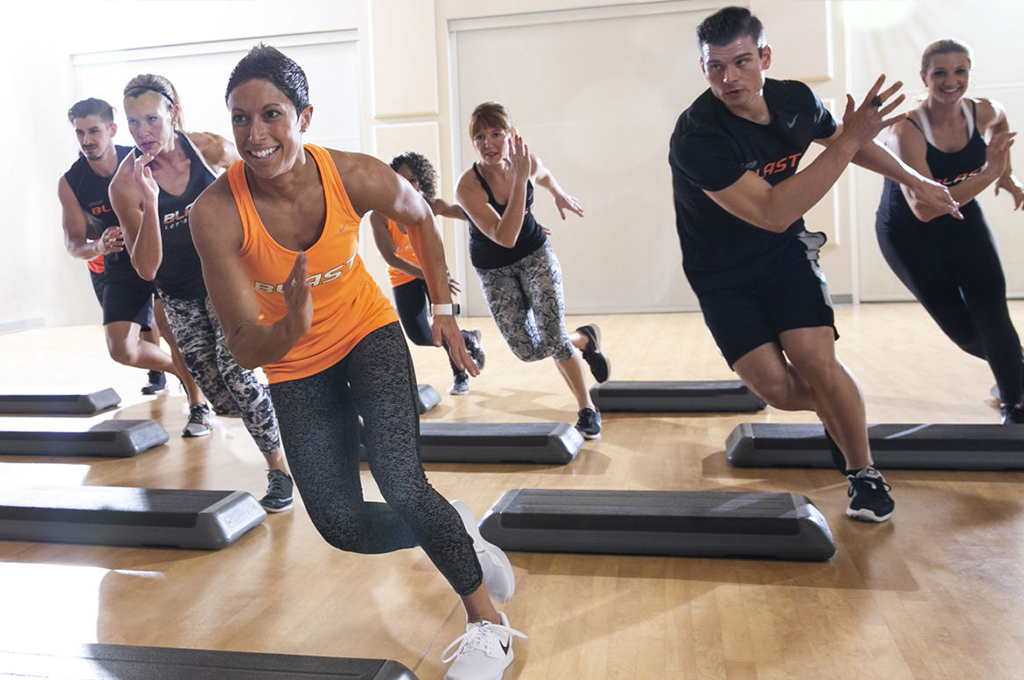
For most Singaporeans, the conversation around gut health begins and ends with diet. Eat more fibre, take a probiotic, cut down on processed food. These recommendations are valid, but they tell only part of the story. Exercise, specifically the kind of vigorous, structured training you encounter in hiit classes singapore, has a measurable and increasingly well-understood impact on gut microbiome diversity, digestive function, and gut-related inflammatory conditions.
Understanding the Gut Microbiome and Why Diversity Matters
The human gut contains approximately 100 trillion microbial cells representing thousands of different species. This community is not simply a passive passenger in your digestive system. It plays an active role in breaking down food, synthesising vitamins, regulating immune responses, producing neurotransmitters, and maintaining the integrity of the gut lining.
Microbiome diversity, meaning the presence of a wide variety of different microbial species, is strongly associated with good health outcomes. Low diversity is linked to a range of conditions including obesity, type 2 diabetes, inflammatory bowel disease, irritable bowel syndrome, depression, and autoimmune disorders. High diversity, on the other hand, correlates with metabolic flexibility, stronger immunity, lower systemic inflammation, and better mental health.
Diet is the most powerful lever for shaping microbiome diversity, but it is far from the only one. Research over the past several years has established that exercise is an independent contributor to microbiome health, distinct from and additive to the effects of diet.
What the Research Says About Exercise and the Gut
A landmark study published in the journal Gut in 2018 examined professional rugby players and found that they had significantly greater microbiome diversity and higher levels of beneficial bacterial species compared to sedentary controls matched for diet. Importantly, this difference was attributed specifically to physical activity rather than dietary intake.
Subsequent research has looked more specifically at the type of exercise that produces the greatest microbiome benefits. High-intensity exercise appears to have a particularly strong effect on increasing the abundance of butyrate-producing bacteria. Butyrate is a short-chain fatty acid that serves as the primary fuel source for colonocytes, the cells lining the colon. High butyrate levels are associated with a healthy gut lining, reduced intestinal permeability, lower inflammation, and protection against colorectal cancer.
Studies have also shown that regular vigorous exercise increases the production of bile acids, which shape the microbial composition of the gut, and promotes faster intestinal transit time, meaning food moves through the digestive system more efficiently. Faster transit reduces the time that potentially harmful bacterial by-products remain in contact with the gut wall, lowering the risk of irritation and inflammation.
HIIT and Gut Permeability
One of the most significant gut health concerns in modern populations is increased intestinal permeability, sometimes called leaky gut. This occurs when the tight junctions between the cells of the gut lining weaken, allowing partially digested food particles, bacterial toxins, and other substances to pass into the bloodstream. The immune system responds to these foreign particles with inflammation, which when chronic underlies a wide range of conditions from autoimmune disease to metabolic syndrome.
Moderate exercise consistently helps maintain and improve gut barrier integrity. However, very intense and prolonged exercise performed without adequate recovery, such as marathon running or multi-hour endurance events, can temporarily increase gut permeability due to reduced blood flow to the digestive system during prolonged exertion.
HIIT, due to its shorter duration and structured rest intervals, does not produce this prolonged reduction in gut blood flow. The intermittent nature of the effort means blood is redistributed to the working muscles during each interval and then allowed to return to resting distribution during recovery. This makes HIIT a gut-friendly form of high-intensity training compared to sustained endurance efforts.
The Gut-Brain Axis and Mental Wellbeing
Singapore’s high-stress environment creates a particularly strong case for the gut-brain connection in this population. The gut-brain axis is a bidirectional communication network connecting the central nervous system with the enteric nervous system of the digestive tract via the vagus nerve, immune signalling, and the bloodstream.
Approximately 90 to 95 percent of the body’s serotonin, the neurotransmitter commonly associated with mood regulation, is produced in the gut. The microbiome plays a direct role in the synthesis of serotonin and other neurotransmitters including dopamine, GABA, and acetylcholine. This means that a healthy, diverse microbiome contributes to emotional stability, reduced anxiety, and better stress resilience.
HIIT improves the gut-brain axis through two pathways. First, by directly improving microbiome diversity and the populations of bacteria responsible for neurotransmitter production. Second, by reducing systemic inflammation, which when elevated disrupts gut-brain signalling and is closely associated with anxiety and depression. The combined effect creates a meaningful improvement in mental wellbeing that goes beyond the psychological lift of simply having exercised.
Practical Gut Health Benefits Singapore Residents Notice
Beyond the research, there are practical, day-to-day gut health improvements that consistent HIIT class attendees commonly report in Singapore’s context.
- Reduced bloating, particularly when combined with mindful eating habits around the hawker culture food choices that are common here.
- More regular and comfortable digestion, with fewer instances of constipation or irregularity related to sedentary workday patterns.
- Decreased frequency of indigestion and acid reflux, as exercise improves the motility of the entire gastrointestinal tract.
- Better tolerance of dietary variety, as a more diverse and robust microbiome is better equipped to process a wider range of foods without triggering discomfort.
- Reduced sugar cravings over time, as certain beneficial gut bacteria species that are supported by regular exercise help regulate blood glucose responses and appetite signalling.
Combining HIIT with Singapore’s Dietary Landscape
Singapore’s food culture is extraordinary but it does present specific challenges for gut health. A hawker diet, while often nutritionally varied, can be high in refined carbohydrates, sodium, and saturated fat while relatively low in prebiotic fibre depending on choices made. This dietary pattern can suppress certain beneficial bacterial populations over time.
HIIT does not replace dietary improvement but it creates a microbiome environment that is more resilient and responsive to nutritional inputs. People who exercise regularly tend to see greater benefits from probiotic foods like yogurt, kefir, and fermented products, and their microbiome responds more robustly to dietary fibre from vegetables and wholegrains. Exercise effectively amplifies the positive effects of dietary choices rather than simply compensating for poor ones.
Getting Started Without Disrupting Digestion
A practical concern for those new to HIIT is the question of digestive comfort during training. Exercising too soon after eating can cause nausea, cramping, or reflux during high-intensity intervals. Generally, allowing at least 90 minutes after a meal before attending a HIIT class is advisable. A light snack of easily digestible carbohydrates consumed 30 to 45 minutes before class is well-tolerated by most people and provides sufficient energy without digestive discomfort.
Hydration is particularly important in True Fitness Singapore humid climate. Adequate fluid intake before, during, and after class supports blood volume, prevents excessive heat strain, and maintains the fluid balance that gut cells depend on for optimal function.
FAQ
Q. Can HIIT help with diagnosed irritable bowel syndrome? A. Research suggests that regular moderate to vigorous exercise can reduce the frequency and severity of IBS symptoms, particularly those related to constipation-predominant IBS. The mechanisms include improved gut motility, reduced stress hormones that trigger IBS flares, and positive changes to the microbiome composition. However, HIIT should be introduced gradually for IBS sufferers, as very sudden increases in exercise intensity can temporarily trigger symptoms in some individuals. Consulting a gastroenterologist before starting is advisable for those with diagnosed conditions.
Q. How long does it take for exercise to produce noticeable changes in the gut microbiome? A. Studies have shown measurable changes in microbiome composition after as little as six weeks of regular vigorous exercise. The changes include increased abundance of butyrate-producing species and greater overall diversity. Importantly, research also shows that these benefits begin to reverse within a few weeks of stopping exercise, which underlines the importance of consistency.
Q. Should I take probiotics alongside my HIIT training for better gut results? A. Probiotics and exercise have complementary effects on gut health. Taking a quality probiotic supplement while maintaining a consistent HIIT training programme is a reasonable approach for people specifically focused on gut health. However, the quality and strain specificity of the probiotic matters significantly. Speaking with a doctor or registered dietitian about which strains are appropriate for your specific goals is worthwhile rather than choosing supplements arbitrarily.
Q. Does exercising in a fasted state affect gut health differently? A. Fasted HIIT training has metabolic benefits for some people, but it can increase gut permeability slightly if the sessions are very intense and prolonged. For most 30-minute HIIT classes, fasted training is generally well-tolerated, though having a small amount of easily digestible carbohydrate before intense sessions often supports better performance and may reduce the mild gut stress associated with high-intensity fasted exercise.
Q. Are there any gut health conditions that should prevent someone from doing HIIT? A. Active inflammatory bowel disease flares, recent gastrointestinal surgery, or severe acute gastroenteritis are situations where high-intensity exercise should be avoided until the condition is under control. For most chronic gut conditions in a stable state, including managed IBS and mild acid reflux, regular exercise including HIIT is beneficial. Always consult your doctor if you have a diagnosed gastrointestinal condition before beginning a new exercise programme.