

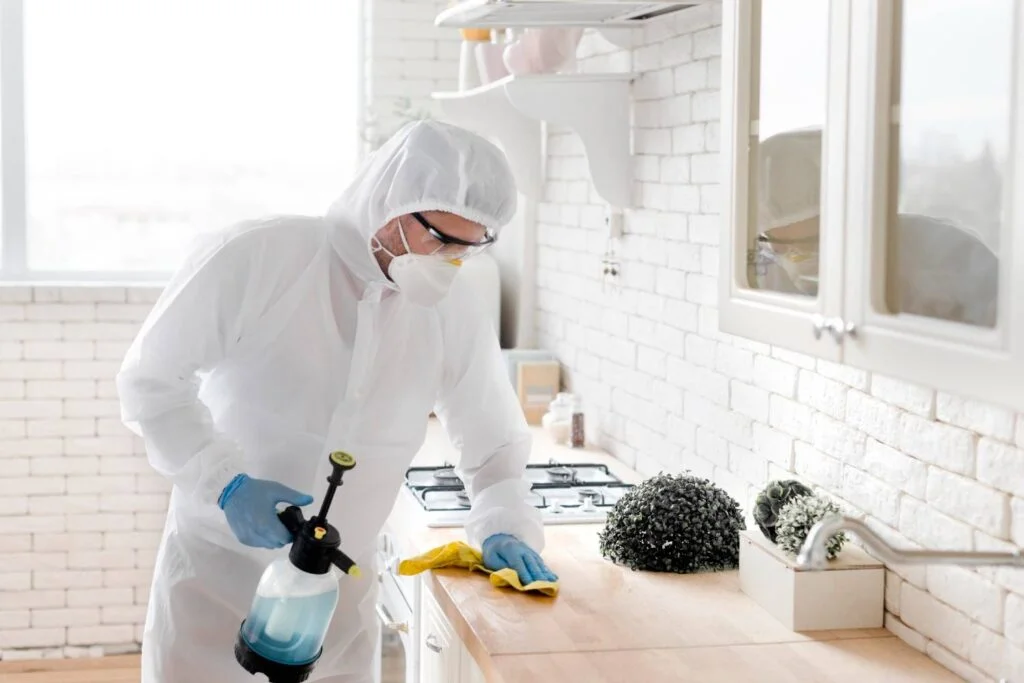
The kitchen is one of the busiest areas in every home. It is where meals are prepared, groceries are stored, and families gather throughout the day. Because it contains food and water, the kitchen is also one of the first places that can attract unwanted pests if it is not properly organized. Maintaining a well-organized kitchen is an important part of effective pest control and helps create a cleaner, healthier home.
Many homeowners clean their kitchens daily but overlook the importance of organization. Cabinets filled with opened food packages, crowded pantry shelves, and cluttered countertops make it difficult to notice spills, damaged packaging, or early signs of pest activity. A neat kitchen makes cleaning easier and removes many of the conditions that pests rely on.
One of the first steps in kitchen organization is arranging food properly. Dry goods such as rice, flour, pasta, cereal, sugar, and snacks should be stored in airtight containers. This keeps food fresh while making it much more difficult for pests to reach it. Clear containers also allow homeowners to quickly see when supplies need replacing.
Pantry shelves should be organized so that older food items are placed at the front and newer purchases are stored behind them. Rotating groceries helps prevent food from sitting unused for long periods, reducing the chance of spoilage and pest problems.
Simple kitchen organization habits that support pest control include:
- Store dry foods in airtight containers with secure lids.
- Keep pantry shelves neat and remove expired products regularly.
- Clean food spills immediately and wipe shelves often.
Countertops should remain as clutter-free as possible. Small appliances, grocery bags, and unnecessary items can make it harder to clean properly. Clear work surfaces allow homeowners to wipe away crumbs and spills quickly while making routine inspections easier.
Kitchen cabinets should also remain organized. Cooking utensils, dishes, and food supplies should each have designated storage areas. A well-organized cabinet makes it easier to notice moisture, damaged packaging, or signs of pests before they become larger problems.
The refrigerator is another area that deserves regular attention. Spilled liquids, forgotten leftovers, and expired food should be removed promptly. Cleaning refrigerator shelves regularly helps maintain food freshness while reducing odors that may attract pests.
Drawers should not be overlooked during kitchen cleaning. Crumbs often collect inside utensil drawers or beneath storage trays. Emptying and cleaning drawers occasionally helps remove hidden debris while keeping the kitchen sanitary.
Pet food stored in the kitchen should also be organized carefully. Bags should be transferred into sealed containers after opening, and feeding areas should be cleaned daily. This prevents pet food from becoming another food source for pests.
Garbage management is an important part of kitchen organization. Trash bins should be emptied frequently, especially when they contain food waste. Using bins with secure lids and cleaning them regularly helps reduce odors that attract insects and rodents.
Moisture control also contributes to an organized kitchen. The area beneath the sink should remain neat and easy to inspect. Cleaning supplies should be stored carefully so homeowners can quickly notice plumbing leaks or damp conditions that may attract pests.
Regular inspections become much easier in an organized kitchen. Homeowners should periodically check behind appliances, inside cabinets, beneath the sink, and around pantry shelves for signs of droppings, damaged food packaging, or unusual odors. Early detection allows quick action before infestations develop.
Seasonal kitchen cleaning is another valuable habit. Every few months, pantry shelves, cabinets, drawers, and appliances should be emptied and cleaned thoroughly. This deep cleaning removes hidden crumbs and gives homeowners an opportunity to inspect every storage area.
Professional pest control inspections can also complement good kitchen organization. Specialists can identify hidden entry points or maintenance issues that contribute to recurring pest problems while offering recommendations for long-term prevention.
In conclusion, kitchen organization is an essential part of successful pest control. Neatly arranged food storage, clean countertops, organized cabinets, proper garbage management, and routine inspections all help reduce the conditions that attract pests. By keeping the kitchen organized throughout the year, homeowners can protect their food, improve cleanliness, and enjoy a healthier, more comfortable home.