

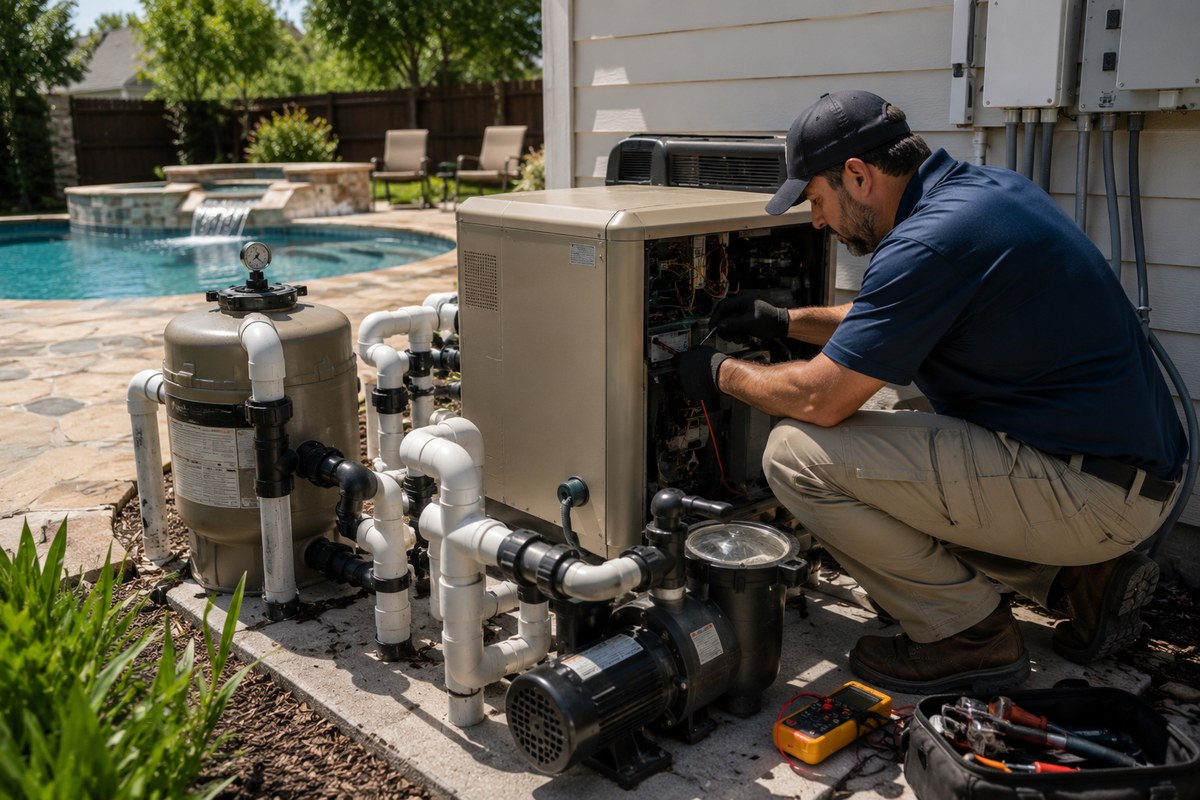
A pool heater often gets ignored until the water suddenly feels too cold or the system stops working altogether. By the time someone searches for pool heater repair near me, the issue may already be affecting comfort, energy use or the ability to enjoy the pool as planned.
Heating Issues Are Not Always Obvious At First
Pool heater problems can begin gradually. The water may take longer to warm up, the system may run more often than usual, or the temperature may fluctuate without an obvious reason. These early signs are easy to dismiss, especially if the pool is still usable.
However, small changes can point to a developing fault. The issue could relate to flow, controls, sensors, ignition, electrical components, scale build-up or general wear. In some cases, the heater itself may be working harder than necessary because another part of the pool system is not performing properly.
Waiting too long can increase the chance of a more expensive repair. It can also waste energy if the heater is running inefficiently. A pool that is slow to heat may not seem urgent, but it is often a sign that something needs attention.
The Whole System Needs To Be Considered
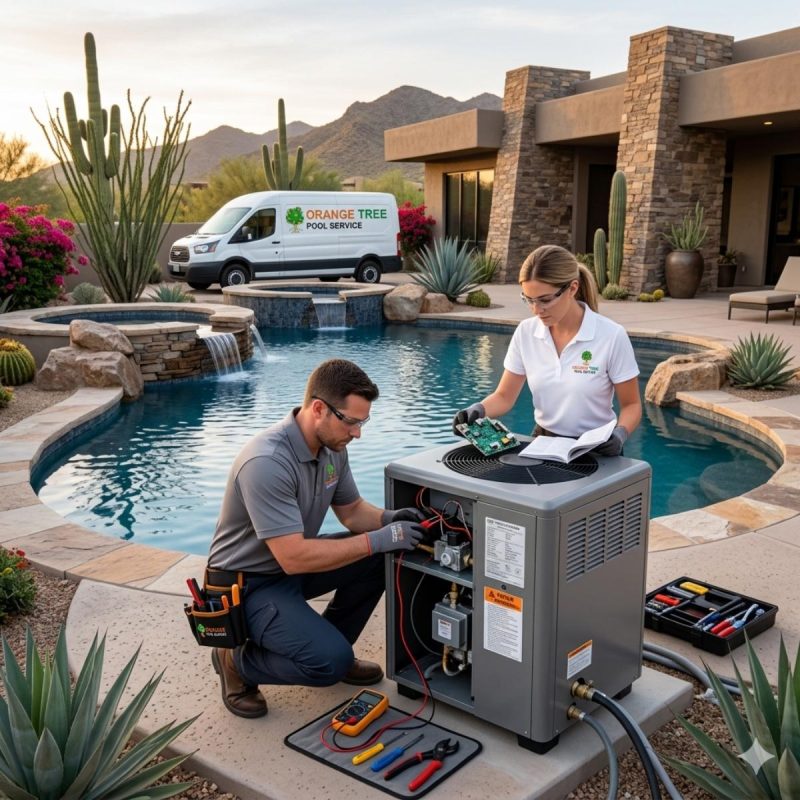
A heater does not operate in isolation. It depends on proper water flow, clean filters, suitable plumbing, working valves and accurate controls. If one of these areas is restricted or unbalanced, the heater may struggle even if the main unit is not the original cause.
This is why diagnosis matters. Replacing parts without understanding the full system can lead to repeated problems. For example, a heater may shut down because of poor flow, but the underlying issue could be a clogged filter, failing pump or valve position. Treating the symptom alone may not solve the problem.
A proper inspection should look at the heater and the wider pool equipment. This gives the owner a clearer understanding of whether the issue is a simple repair, a maintenance problem or a sign that older equipment is nearing the end of its useful life.
Comfort And Cost Are Closely Linked
A pool heater affects both enjoyment and operating cost. If the water is unreliable, people may use the pool less often. If the system is inefficient, the cost of heating may increase without delivering better comfort.
Temperature consistency matters particularly for families, guests, therapy pools or properties where the pool is expected to be ready at specific times. A heater that only works occasionally can make planning difficult. It can also create frustration if the pool looks inviting but feels too cold to use.
Regular checks can help keep the heater performing more predictably. Cleaning, inspection and timely repairs are usually easier to manage than a complete failure during a period of heavy use.
Early Repair Protects Pool Use
The best time to deal with a heating problem is before it becomes urgent. Strange noises, error codes, slow heating, short cycling, poor temperature control or unexpected shutdowns should all be investigated.
Pool owners should also think about age and maintenance history. An older heater may be repairable, but repeated faults can indicate that replacement may be more sensible in the long term. The right answer depends on condition, parts availability, efficiency and how often the pool is used.
A working heater makes the pool more enjoyable and more reliable. By responding to early warning signs and checking the whole system, owners can avoid unnecessary disruption and get more consistent use from their pool.