

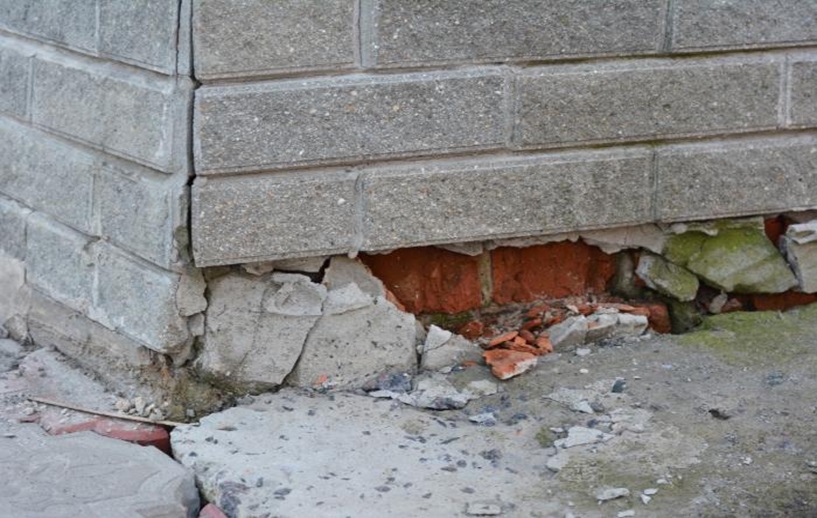
A strong foundation is essential to the safety and stability of any home. While concrete is built to last, it is not immune to the effects of changing soil conditions, moisture, and natural settling. Over time, these factors can lead to cracks that range from minor cosmetic imperfections to indicators of more significant structural movement. Understanding when a crack requires professional attention can help homeowners avoid more extensive and expensive repairs in the future.
If you’re considering foundation crack repair, visit the website here to learn more about professional repair solutions designed to restore structural stability and address the underlying causes of foundation damage. Acting early allows homeowners to resolve problems before they affect other parts of the property.
Why Foundation Cracks Develop
Foundation cracks can appear for several different reasons, and not every crack indicates a serious structural issue. Concrete naturally shrinks as it cures, which may result in small hairline cracks shortly after construction. However, ongoing movement beneath the home often creates larger cracks that deserve closer attention.
One of the most common causes is shifting soil. During periods of heavy rain, soil absorbs moisture and expands, placing pressure on the foundation. When conditions become dry, the soil contracts and may no longer provide consistent support beneath the structure. This cycle of expansion and contraction can gradually cause the foundation to settle unevenly.
Poor drainage, plumbing leaks, tree roots, and improper grading can also contribute to foundation movement by changing moisture levels around the home. Identifying the root cause is an important part of any successful repair because simply sealing the visible crack may not prevent future damage.
Understanding Which Cracks Require Attention
Some foundation cracks are harmless, while others may signal developing structural concerns.
Hairline vertical cracks are often associated with normal settling and may simply require periodic monitoring. Horizontal cracks, stair-step cracks in masonry, or cracks that continue widening over time are generally more concerning because they may indicate excessive pressure or foundation movement.
Cracks that allow water to enter the basement or crawl space also deserve prompt evaluation. Moisture intrusion can contribute to mold growth, wood deterioration, and damage to finished living spaces if left unresolved.
Professional inspections help determine whether a crack is cosmetic or whether foundation crack repair is necessary to restore the home’s structural integrity. Structural engineers and foundation specialists generally recommend evaluating crack size, direction, movement, and water intrusion when determining the appropriate repair method.
Additional Warning Signs Throughout the Home
Foundation movement often affects more than just the concrete itself. Homeowners may begin noticing changes in other parts of the house as the structure shifts.
Doors and windows that suddenly stick or no longer latch properly can indicate uneven settlement. Floors may begin sloping, drywall may develop cracks around doorways and ceilings, or gaps may appear between walls and trim.
Outside the home, brick veneer may develop stair-step cracks, while patios, porches, or sidewalks may begin separating from the main structure.
When several of these warning signs appear together, they often point to foundation movement that should be professionally evaluated before additional damage occurs.
Repair Methods Depend on the Cause
No two foundation problems are exactly alike, which is why professional diagnosis is so important.
If the crack is primarily allowing water to enter the home, epoxy or polyurethane injections may be used to seal the opening and restore the integrity of the concrete. However, when settlement or shifting soil is responsible, more comprehensive structural repairs may be necessary.
Foundation piers can stabilize settling sections of the home by transferring weight to more stable soil below. Bowing walls may require wall anchors or carbon fiber reinforcement systems, while drainage improvements help reduce future soil movement by directing water away from the foundation.
Rather than applying the same repair to every situation, experienced contractors develop customized solutions based on the specific cause of the damage.
Preventing Future Foundation Problems
Although no home can completely avoid natural settling, homeowners can reduce many common causes of foundation damage through regular maintenance.
Keeping gutters free of debris helps prevent rainwater from overflowing near the foundation. Downspouts should extend several feet away from the home whenever possible, and the surrounding landscaping should encourage water to drain away from the structure.
Monitoring sprinkler systems and plumbing for leaks also helps prevent excessive soil saturation. During prolonged dry periods, maintaining relatively consistent soil moisture around the foundation may reduce excessive expansion and contraction in certain soil types.
Routine inspections allow homeowners to identify small changes early, making future foundation crack repair projects less extensive and more manageable.
Why Early Repairs Save Money
One of the biggest mistakes homeowners make is assuming that a small crack will remain unchanged.
Foundation issues often progress gradually. As the structure continues to move, cracks may widen, additional areas may become affected, and repairs may become more complex. Moisture entering through foundation cracks can also damage flooring, drywall, insulation, and personal belongings.
Addressing problems while they are still relatively minor often reduces repair costs and helps preserve the long-term value of the property.
Scheduling professional evaluations at the first sign of unusual foundation movement provides homeowners with greater confidence while preventing unnecessary structural deterioration.
Protect Your Home With Professional Foundation Crack Repair
Foundation cracks should never be ignored, especially when they continue growing or are accompanied by other signs of structural movement. Understanding what causes these problems and addressing them early helps protect your home’s safety, value, and long-term stability. Professional evaluations ensure the correct repair method is selected while addressing the conditions that caused the damage in the first place.
When you need dependable foundation crack repair, Canton Foundation Repair Experts provides comprehensive inspections and customized repair solutions designed to stabilize foundations, correct structural issues, and help homeowners protect their properties for years to come.