

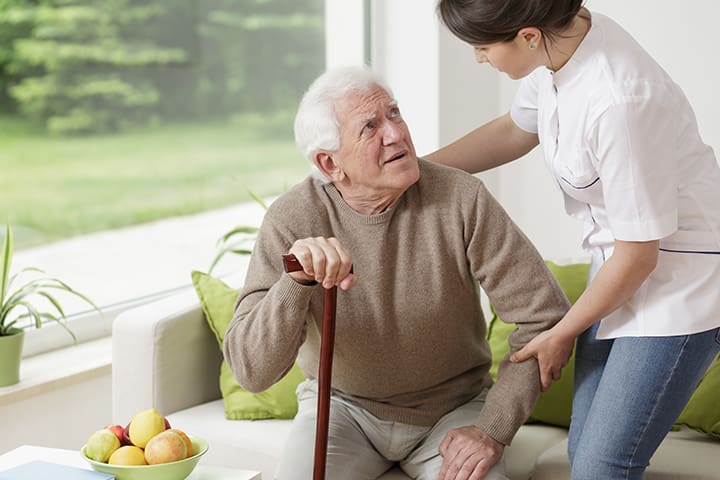
There’s a tension between safety and independence in so much of aging. Older people want to continue making their own decisions, shaping their own lives, and living their lives in the way that they desire. Their families want to make sure they’re safe, cared for, and not struggling with things that they used to be able to do without any trouble. These two goals may seem like they’re at odds with each other. However, personal care provides a way to balance these two important goals, helping people to get the assistance that they need while maintaining control over their own lives.
Understanding What Personal Care Is
Personal care assistance involves care with specific aspects of daily living that a person can no longer do completely by themselves. This includes bathing, dressing, grooming, toileting, mobility issues, and eating. These are intimate tasks that people have been doing themselves since they were first able to care for themselves. When something prevents people from performing these types of tasks, it feels more than just a challenge—it threatens people’s sense of self and their dignity.
While personal care can often feel like a loss of independence, it doesn’t have to. Personal care does not involve doing everything for the person in need of care. Instead, it provides assistance with whatever the person needs help with while allowing the person to retain as much independence in this process as possible. For example, someone may need help getting in and out of the shower but still be able to wash themselves when they’re in the shower. Another person may still be able to put their clothes on, but struggle with buttons or getting items from their closet. Effective personal care assistance recognizes what people can still do for themselves instead of applying a one-size-fits-all approach to care for all patients.
This type of customized assistance greatly helps people maintain their independence because they can still accomplish tasks that help them feel like themselves. Once a person stops bathing because it’s dangerous or difficult to do it alone, it impacts that individual’s health positively in many ways. With help for the portions of bathing or grooming that are most difficult, people are still able to care for themselves in the same way that they’ve always done.
The Safety Aspect Without Removing Autonomy
Falls are one of the most significant dangers that older individuals face in their homes. Many of these falls occur while performing personal care duties—getting in and out of the bathtub, reaching into closets for items to wear, standing up while dressing, and stumbling to the bathroom during the night can all create dangerous scenarios as people’s vision declines or their strength is no longer where it once was.
Having someone there at these critical moments significantly reduces the risk that a person will fall and injure themselves. The caregiver is not necessarily there to do everything for the person in need of care; instead, they can help monitor balance issues and provide stability during these vulnerable moments. Businesses offering Personal Home Care Assistance in Philadelphia offers caregivers who understand how to provide this type of physical support during personal care tasks while still allowing for as much independence as possible on the part of the person in need of that care.
This safety net doesn’t require caregivers to remove the autonomy of the person needing assistance; they’re simply there during bathing and dressing routines to provide that needed assistance while still allowing individuals to make these choices for themselves. With their caregivers present, older individuals can still choose when they want to bathe or dress and how they want their hair styled. They just need help once they get into the shower or get in front of the mirror.
Still Making Choices, Not Losing Control
One of the biggest fears that older individuals have regarding accepting personal home care assistance is that it will cause them to lose control over their own lives. Once they admit they need help with something, someone will take charge and begin making all their decisions for them. This fear often stops people from requesting help until it’s absolutely impossible for them to continue living on their own.
Personal care maintains this autonomy by allowing individuals to continue making their own choices rather than dictating how their days must go or when they must complete certain tasks. People still control their schedules when they receive personal home care assistance. They can decide what time they want to wake up, what they want to eat for breakfast, when they want to shower or if they even feel like getting dressed that day.
The routine associated with personal care services remains intact; nothing is left up to the decision-making skills of the caregiver. Instead, the service provider simply facilitates what people want rather than attempting to overrule these choices.
A Personal Routine in Familiar Surroundings
Part of what makes staying home so appealing is maintaining familiar routines in familiar surroundings. Personal care assistance allows people to stay home while still receiving this assistance by coming and adapting to the same routines instead of imposing some sort of strict schedule that needs to be followed.
People who have always taken showers at certain times of the day can continue doing so after receiving personal care assistance in those same environments. Someone who has always taken an evening bath continues doing so with personal care assistance by scheduling bath times instead of showers. Someone who has a unique process can still maintain this process after receiving care.
Even someone who prefers showering first thing in the morning rather than completing any routine after breakfast can continue this same practice after hiring a caregiver because this service is completed only in private homes rather than assisted living facilities where other authorities would be responsible for these tasks.
Preventing Dignity Issues
Personal care often involves asking someone else for help with something that has been an intensely personal routine for decades. For many older individuals who are just beginning to receive assistance with personal care tasks like bathing, dressing, and toileting, having someone else do these (even if they had always helped other people with these types of tasks) can feel embarrassing and dehumanizing.
Caregivers who have been professionally trained know how to handle personal care tasks efficiently. Personal home caregivers do not react negatively when someone responds awkwardly and outside of what’s perceived as the norm but instead act professionally. They do not help older adults like children but explain the situation just like any other professional would at any other job.
Bathing is something that individuals have done since they were children; it only takes a few uncomfortable instances for someone attempting to receive assistance with baths instead feel even more embarrassed than they were even before hiring a caregiver.
On top of this professional approach, relationships also develop over time between these caregivers who provide assistance multiple times each week or once per day. Even these awkward first instances will become more routine as both parties learn to adapt; awkwardness will fade into professional relationships between caregivers providing personal home assistance.
The Ability to Change Care Routines
Assistance needs change as people age or deal with certain conditions. Someone may only need help early on with something as simple as bathing but may need additional help with dressing and undressing later on down the line. With personal care services, families don’t need to continually adjust where people live as their needs increase; caregivers can adjust the level and extent of assistance provided within these very homes.
The changes also apply to adjusting timeframes for when assistance is provided. Someone might only require help with personal hygiene routines in the morning before breakfast but later require assistance again in the evening before bed. Care can increase over time without imposing unreasonable shifts in comfort zones as it relates to these facilities.
When Help Enables Independence
Carers understand that they are merely there for certain parts of simple processes rather than completing every aspect of the task for them.
Personal care services provide a way for seniors to live independently while receiving assistance with tasks that are essential for remaining independent elsewhere. Compared to nursing or assisted living facilities – where there’s an increased focus on dependence rather than independence, personal home care services ensure that individuals maintain control over as much as possible within a safely monitored environment.