

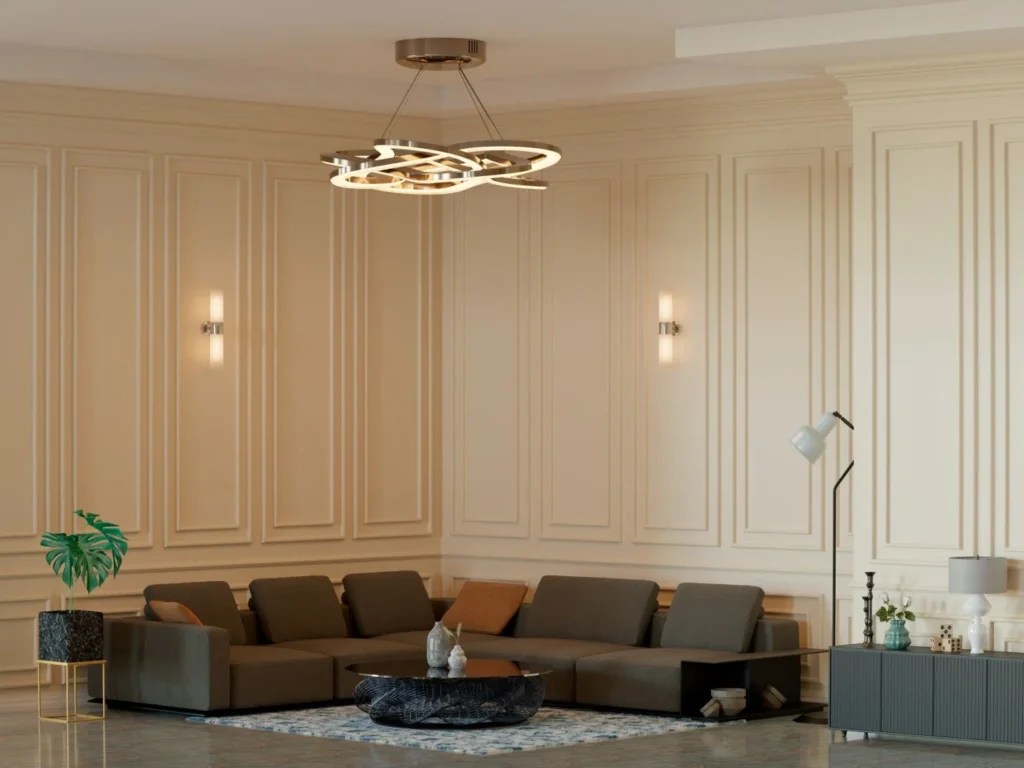
Mouldings shape how a room feels the moment you step inside. In Thai homes, from Bangkok condominiums to traditional teak houses in Chiang Mai, wall moulding (known as บัวผนัง in Thai) adds depth, definition and character to spaces that might otherwise feel flat. These decorative elements draw the eye upward, frame architectural features and give walls a finished quality that plain surfaces simply cannot match.
The role of a wall moulding goes well past decoration. It creates visual rhythm, guiding attention across a room in a way that feels natural and considered. In many Thai interiors, designers use mouldings to bridge modern comfort with cultural touches, blending clean contemporary lines with references to classic Thai woodwork. The result feels both familiar and fresh.
Ceiling mouldings, often called cornices, work in partnership with wall mouldings to soften the transition between vertical and horizontal surfaces. This connection matters in Thailand, where high ceilings help air circulate in the warm climate. A well-placed cornice reduces the harsh line where wall meets ceiling, making tall rooms feel balanced and inviting rather than cavernous.
Adding Character Through Detail
Thai design has always valued detail. Temple interiors, royal residences and older shophouses show a deep appreciation for ornamental woodwork, carved panels and layered textures. Modern mouldings carry this tradition forward in a practical form. You can use simple profiles for a minimalist look or choose more elaborate patterns that echo classic Thai motifs.
Panel mouldings, for example, break up large blank walls into neat sections. This technique suits both compact city apartments and spacious suburban homes. It adds structure without crowding a room, which suits the Thai preference for open, breathable interiors.
Practical Benefits for Thai Homes
Mouldings offer more than good looks. They protect walls from scuffs and chips, especially near doorways and along skirting at floor level. In humid conditions, quality mouldings made from moisture-resistant materials help maintain a clean appearance over time. This durability makes them a sensible choice for Thailand’s tropical weather.
They also hide imperfections. Uneven joints, gaps and rough edges disappear behind a neatly fitted cornice or skirting board. For renovations of older Thai properties, this quality proves genuinely useful, letting owners refresh a space without major structural work.
Choosing the Right Style
Match your mouldings to the overall mood of your home. Clean, slim profiles complement modern interiors with neutral palettes. Deeper, more detailed designs suit homes that lean towards traditional Thai aesthetics or colonial-era styling.
Consider proportion carefully. Tall rooms can carry wider, bolder mouldings, while smaller spaces benefit from subtle profiles that keep the room feeling open. Colour matters too. Painting mouldings the same shade as the wall creates a soft, unified look, while a contrasting tone makes them stand out as a feature.
Mouldings prove that small architectural details can change how an entire room reads. In Thai interiors, they connect heritage with modern living, bringing warmth, structure and quiet elegance to any space. Thoughtful placement turns ordinary walls and ceilings into surfaces with genuine presence.


More Stories
Common Mistakes Homeowners Make When Dealing With Dampness and Condensation
Understanding the Different Categories of Water Contamination in Your Home
Home Maintenance Tasks That Actually Protect Your Investment